
Understanding the psychological triggers behind gambling behavior in casinos
The allure of risk and reward
The psychology of gambling is deeply rooted in the allure of risk and reward. The prospect of winning big can be intoxicating, stimulating the brain’s reward centers much like drugs or alcohol. This adrenaline rush, accompanied by the anticipation of a potential win, often leads players to chase losses and engage in behaviors they might otherwise avoid. To navigate this exciting landscape, many players explore real money online casinos in israel, where they can indulge in thrilling gaming sessions. The thrill of betting, combined with the vibrant atmosphere of casinos, creates a powerful environment that can easily draw individuals into prolonged gaming sessions.
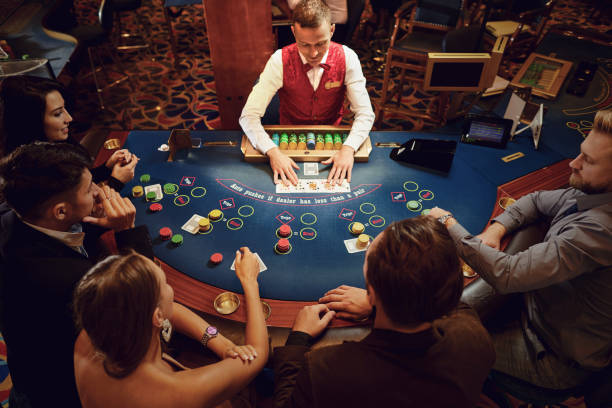
Moreover, the concept of “near misses” plays a significant role in gambling behavior. When players come close to winning, their brains interpret this as a sign that a win is imminent, encouraging them to continue playing. This psychological mechanism can create a compelling urge to gamble more, blurring the lines between responsible gaming and compulsive behavior.
The influence of social factors
Social interactions significantly impact gambling behaviors in casinos. Many individuals are drawn to casinos for the social experiences they offer, often viewing gambling as a communal activity rather than a solitary one. The presence of peers can amplify excitement and lead to riskier betting behaviors, as people are likely to want to impress others or conform to group dynamics. This social aspect can lead to a unique form of peer pressure, encouraging players to take on risks they might not consider when gambling alone.
Additionally, the role of social proof cannot be understated. When people observe others winning, they may be more inclined to believe they, too, can achieve similar success. This phenomenon reinforces the belief that luck is a common occurrence, further perpetuating gambling behavior among individuals in group settings.
Environmental cues and design
The design and environment of casinos are meticulously crafted to enhance gambling behavior. Bright lights, captivating sounds, and engaging visuals create an immersive experience that stimulates excitement. These elements are not just for entertainment; they strategically influence player emotions and decision-making processes. The lack of clocks and windows further blurs the passage of time, leading players to lose track of how long they have been gambling and encouraging extended play.
In addition, casinos often employ psychological tactics through their layout, such as strategically placing slot machines and gaming tables to maximize visibility and accessibility. These factors work together to create an environment that fosters impulsive behavior, allowing individuals to easily surrender to their desires to gamble.
The role of cognitive biases
Cognitive biases significantly influence gambling behavior, leading individuals to make irrational decisions based on flawed thinking patterns. One common bias is the gambler’s fallacy, where players believe that past results can influence future outcomes. This can lead them to chase losses or make increasingly risky bets under the false assumption that luck will soon turn in their favor.
Additionally, overconfidence can skew judgment in gambling scenarios. Players may overestimate their abilities to win or control outcomes, often resulting in prolonged gambling sessions. This cognitive bias can create a dangerous cycle where players justify their decisions to continue betting, despite accumulating losses.
Explore responsible gaming resources
Understanding the psychological triggers behind gambling behavior is crucial for promoting responsible gaming. By recognizing the factors that influence their decisions, individuals can better navigate the complexities of gambling. Resources are available to help players maintain control, ensuring that gaming remains an enjoyable experience rather than a compulsive behavior.
Ultimately, fostering a culture of awareness and education about the psychological aspects of gambling can empower players to make informed choices. Whether you’re a casual player or someone who frequently visits casinos, being aware of these triggers can enhance your gaming experience while promoting a balanced approach to gambling.