
The Nature of Risk-Taking in Gambling
The allure of gambling often lies in the thrill of risk-taking. This behavior can be understood through various psychological theories that explain why individuals are drawn to uncertain outcomes. The concept of loss aversion, for instance, indicates that the fear of losing something can often be more powerful than the desire to gain. This makes the potential rewards of gambling seem more appealing, pushing players to take risks that they might otherwise avoid in their daily lives, especially when considering services like cargarageservicesmiltonkeynes.co.uk that enhance their experience. The psychology behind this phenomenon highlights a fundamental aspect of human behavior: the tendency to avoid losses more than seeking equivalent gains.
Furthermore, the excitement generated by risk-taking can lead to a heightened emotional state. Gamblers frequently experience adrenaline rushes as they place bets, which can reinforce their desire to continue playing. This mix of fear and excitement cleverly plays into the brain’s reward system, making the experience feel gratifying despite the possibility of loss. In essence, the psychological thrill of risk-taking operates much like an addiction, where the highs of winning and the lows of losing create a cycle that keeps individuals engaged. This cycle can often lead to a distorted perception of one’s gambling skills, where players overestimate their ability to influence outcomes.
The social aspect of gambling is essential to understanding the mentality of players in casinos. Many individuals enjoy the camaraderie formed with fellow gamblers, fostering a sense of community around shared experiences. This social interaction can serve as a significant motivator for continued visits to gaming establishments, as players often find comfort in the support and encouragement of others. The combination of social bonds and risk-taking creates a captivating atmosphere that fuels the continuous participation in gambling activities. In this environment, the shared anticipation and collective experience contribute to a heightened sense of belonging among players.
The Role of Cognitive Biases
Cognitive biases greatly influence how individuals perceive and engage with gambling. One primary example is the “gambler’s fallacy,” where players believe that past outcomes will affect future results in games of chance. For instance, a player might feel that a specific slot machine is due for a win after a string of losses, leading them to invest more time and money. This flawed reasoning can create an illusion of control over uncertain situations, compelling individuals to gamble more aggressively. The gambler’s fallacy exemplifies how cognitive distortions can lead players to make irrational decisions in pursuit of luck.
Another cognitive bias prevalent in casinos is the “availability heuristic.” This occurs when individuals assess the probability of an event based on how easily they can recall similar past events. For gamblers, vivid memories of recent wins might overshadow the larger pool of losses, skewing their judgment about the likelihood of winning in future games. This can lead to overconfidence, further enticing players to engage in riskier gambling behavior. The allure of past successes can cloud their judgment, making them more prone to repeat the same betting patterns that led to their previous wins.

Ultimately, these cognitive biases can create a feedback loop that keeps players trapped within the gambling environment. As they continue to believe in their chances of winning against odds that are firmly stacked against them, they become more susceptible to spending time and money in casinos. Recognizing and addressing these biases is crucial for anyone looking to understand the motivations behind gambling and its impact on individual behavior. Awareness of cognitive biases can serve as a critical step in helping individuals develop healthier gambling habits and avoid the pitfalls associated with these mental shortcuts.
The Impact of Environmental Factors
The design and atmosphere of casinos play a crucial role in shaping the gambling experience. From the moment a patron steps inside, they are enveloped in a carefully crafted environment meant to evoke excitement and prolong time spent gambling. Elements such as bright lights, engaging sounds, and the aroma of delicious food all work together to create an alluring ambiance that both draws in and captivates visitors. This sensory overload is intentional, designed to keep players engaged and immersed in the gambling experience.
Casinos often utilize a lack of windows and clocks to prevent players from keeping track of time, contributing to a sense of timelessness that encourages prolonged gambling sessions. This environmental manipulation can significantly impact decision-making, leading individuals to gamble for more extended periods without considering the cumulative losses they may incur over time. Additionally, the strategic placement of high-stakes games may entice players to engage in riskier betting behaviors, further drawing them deeper into the gambling environment. By controlling the environment, casinos can effectively influence the behavior of their patrons.
Furthermore, promotional strategies like loyalty programs and complimentary drinks serve to enhance the overall gambling experience. These tactics provide players with incentives to return, creating a cycle of commitment that can be hard to break. As players feel valued and appreciated through rewards, their emotional investment in the casino increases, which can drive them to gamble even more. This relationship between environment and player behavior is a critical aspect of understanding the psychology of gambling in casinos. By examining how these environmental factors interact with psychological elements, we can gain insight into why players continue to engage in gambling despite the risks involved.
Emotional Responses and Gambling Behavior
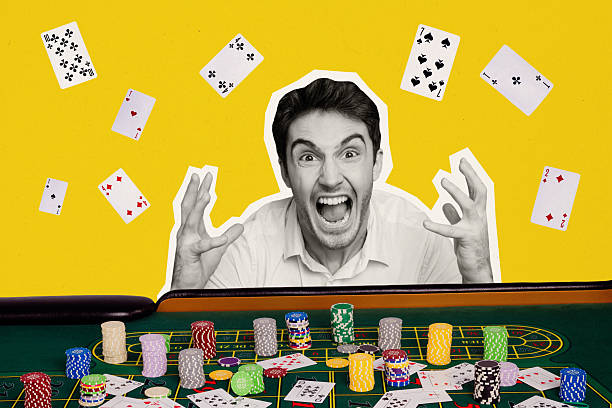
The emotional landscape of gambling is complex, often reflecting a blend of excitement, anxiety, and frustration. Players frequently experience a surge of emotions during gameplay, which can influence their decision-making. The euphoria of a win can lead to impulsivity as individuals chase that feeling, while the despair of a loss may drive them to gamble more in hopes of a comeback. This emotional rollercoaster can be highly addictive, as players seek to replicate the highs associated with winning. The emotional responses elicited during gambling create a feedback loop that can reinforce continued engagement.
The development of emotional attachment to certain games also plays a significant role in gambling behavior. For example, certain players may feel a bond with specific slot machines or table games, perceiving them as “lucky.” This attachment can lead to a pattern where individuals continue to return to these games, despite their overall results being negative. This emotional connection can obscure rational thinking, further reinforcing the cycle of gambling. Such attachments are often fueled by the memories of past victories associated with these games, leading players to believe that they can replicate their success.
Moreover, the potential for gambling to serve as an emotional escape cannot be overlooked. Many individuals turn to casinos as a way to cope with stress, anxiety, or dissatisfaction in their lives. The immersive experience of gambling allows for a temporary reprieve from reality, further encouraging individuals to seek solace in the gaming environment. Understanding these emotional dynamics is essential for grasping the psychology behind gambling and its broader implications. The interplay of emotions and gambling behavior can lead to significant psychological consequences if left unexamined.
Understanding the Online Gambling Landscape
The rise of online gambling has transformed the traditional casino experience, bringing new psychological dimensions to the forefront. The convenience and accessibility of online platforms make it easier for individuals to gamble without the social elements present in physical casinos. This shift has implications for psychological engagement, as players may find themselves more susceptible to impulse gambling due to the reduced barriers to entry. The lack of social interaction can also exacerbate feelings of isolation, which may lead individuals to gamble more frequently as they seek connection through gaming.
Online casinos leverage technology to create engaging and immersive experiences, utilizing methods like interactive games and live dealer options to replicate the excitement of in-person gambling. The use of algorithms to personalize gaming experiences further entices users by offering tailored promotions and rewards. This personalization can create a sense of individual connection, prompting continued play and reinforcing addictive behaviors. By catering to individual preferences, online platforms can significantly enhance the player experience while simultaneously increasing the risk of problematic gambling.
Lastly, the anonymity provided by online platforms can lead to a lack of accountability for gambling behavior. Players are often less aware of their spending and time commitment, which can exacerbate the potential for developing gambling problems. As online gambling continues to grow in popularity, understanding its psychological impacts becomes increasingly relevant for both players and regulators in the gaming industry. Through awareness, effective strategies can be developed to promote responsible gambling practices and mitigate the risks associated with online gaming.